

Home | MyGov

Accessibility
ऐक्सेसिबिलिटी टूल
कलर एडजस्टमेंट
टेक्स्ट साइज़
नेविगेशन एडजस्टमेंट

Draft Smart City Proposal for Pasighat (Round 3) revised

Draft Smart City Proposal for Pasighat (Round 3) revised
आरंभ करने की तिथि :
Mar 20, 2017
अंतिम तिथि :
Mar 27, 2017
00:00 AM IST (GMT +5.30 Hrs)
प्रस्तुतियाँ समाप्त हो चुके

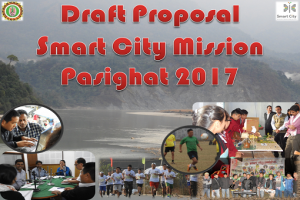
The Third round of Smart City Challenge is started. In order to succeed in community-led Smart City Challenge, once again WE need YOU! Pasighat Municipal Council (PMC) proposes to ...

The Third round of Smart City Challenge is started. In order to succeed in community-led Smart City Challenge, once again WE need YOU! Pasighat Municipal Council (PMC) proposes to re-engage with its citizens and community groups to give feedback and suggest improvements regarding the city profile, administrative efficiency and citizen engagement with the draft Smart City Proposal so that will help for revising the proposal for Round-3 of the Smart City Mission.

Your Participation is important for us.

The draft proposal will be finalized and submitted to MoUD once the citizen feedback on the draft proposal is incorporated.

For a better understanding, click here to read the draft Smart City Proposal, which explains the city profile, administrative efficiency and citizen’s engagement.

Please share your in ideas to make Pasighat – a “Credible Smart City’.
The last date to submit your suggestions/comments is 26th March 2017.

फिर से कायम कर देना
2040 सबमिशन दिखा रहा है
sushma sonar
sushma sonar 9 साल 2 महीने पहले
Unlike other cities of Arunachal Pradesh, the location of Pasighat itself has a big advantage, having large swaths of open land and no dearth of shortage of drinking water if tapped properly. With the introduction of Municipality Council, the constructions and other developmental activities are being monitored and regulated.
kumar mibang
kumar mibang 9 साल 2 महीने पहले
The International City/County Management Association and Public Technology Inc. have done surveys over the effectiveness of this method. The results are indicating that most governments are still in either the primary stages (1 or stage 2), which revolves around public service requests. Though application of integration is now accelerating, there has been little to no instigating research to see its progression as e-governance to government.